
Golf is a game that can be enjoyed by people of all ages and abilities. For many players it is not simply a sport, it becomes part of everyday life. Time outdoors, gentle to moderate physical activity and the social nature of the game combine to create an experience that many people find both enjoyable and rewarding.
For individuals exploring golf for the disabled (G4D) for the first time, the most important message is simple. Golf is open to you.
Whether you are looking for exercise, a new hobby, or the chance to meet others who share similar interests, golf offers a welcoming environment where people can progress at their own pace.
Health and Wellbeing
Research over the past decade has highlighted a number of benefits associated with playing golf. These include improvements in general physical activity, balance, strength and mental wellbeing. As golf is a game usually played outdoors, it can also support cardiovascular and metabolic health.
Just as importantly, golf can provide something less easy to measure but equally valuable – a sense of enjoyment, routine and connection with others.
Many golfers describe the experience in very simple terms:
“Golf, physically, has been good for me, as well as the fresh air and the company. Most golfers I have met share the same values and are kindred spirits. Golf is a game that is good for your soul.”
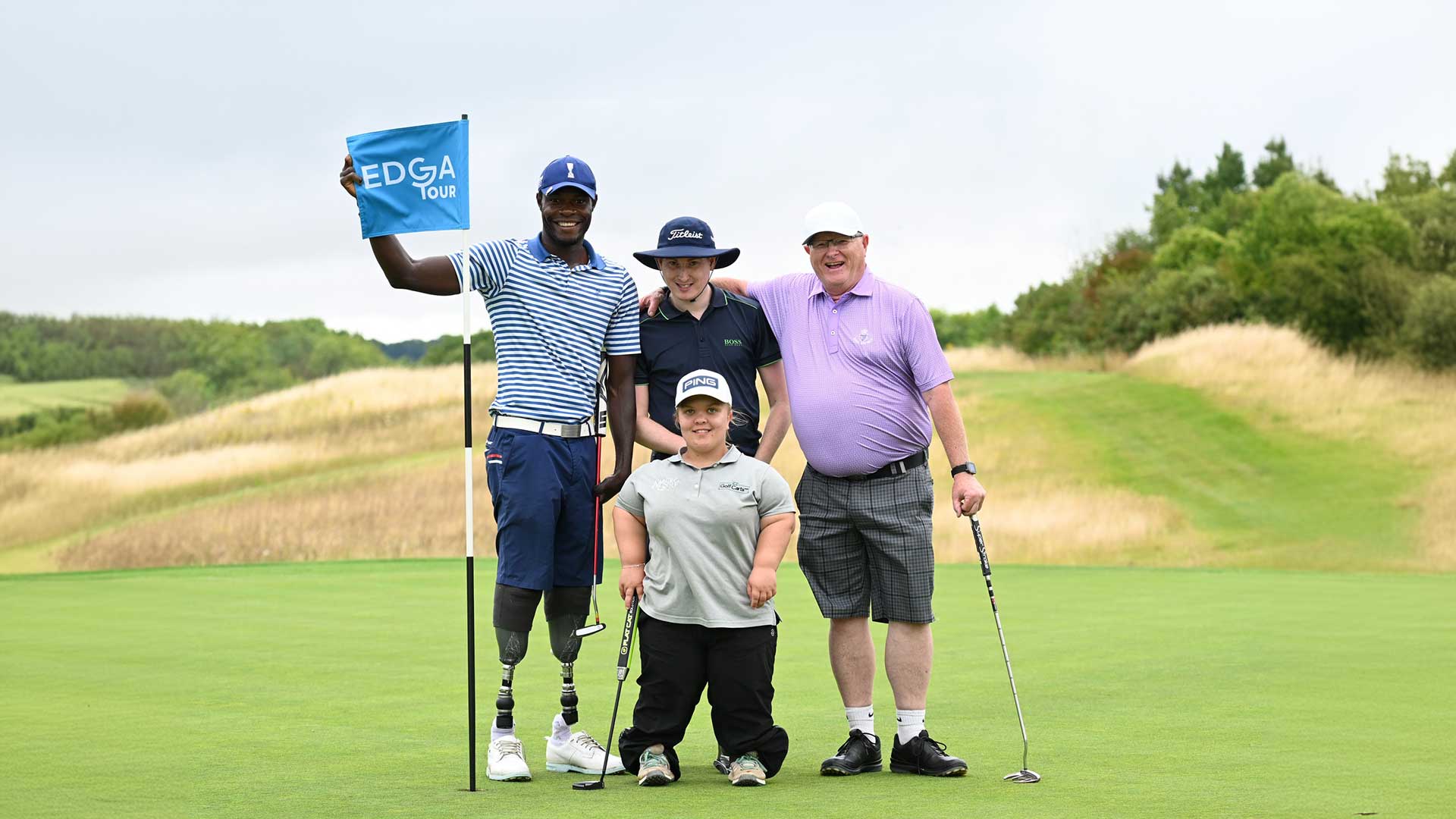
A Sport That Adapts to You
One of the strengths of golf is that it can be played in many different ways. Some people enjoy a relaxed social round with friends. Others may take lessons with a coach. For those who wish to progress further, there are also opportunities to play in competitions at different levels, exploring your potential in this area of the game.
Golf is naturally flexible. Players can adjust the course length, use different tee positions and choose a scoring format that suits their level of experience. For some golfers with disabilities there may also be specific rule modifications which support participation.
From First Swing to Competition
Many people first experience golf in a very simple way. Often a visit to a driving range with friend, perhaps by attending an introduction session at a local golf club, or taking part in a community activity day. From that first experience, players can develop their skills gradually and decide how they would like to engage with the game.
For some, golf becomes a relaxed recreational activity enjoyed with friends, where the social aspect of the game is just as important as the sport itself. Others may wish to challenge themselves further and take part in local, national or international golf for the disabled competitions.
At the highest levels, players compete in tournaments recognised by EDGA and other governing bodies. Participation in certain international events may require players to demonstrate that their impairment has a measurable impact on their ability to play the game, in line with internationally recognised eligibility criteria.
However, competition is only one of many possible pathways. The most important point is that golf can be enjoyed from the very first swing, with no expectation beyond simply discovering the game and enjoying the experience.
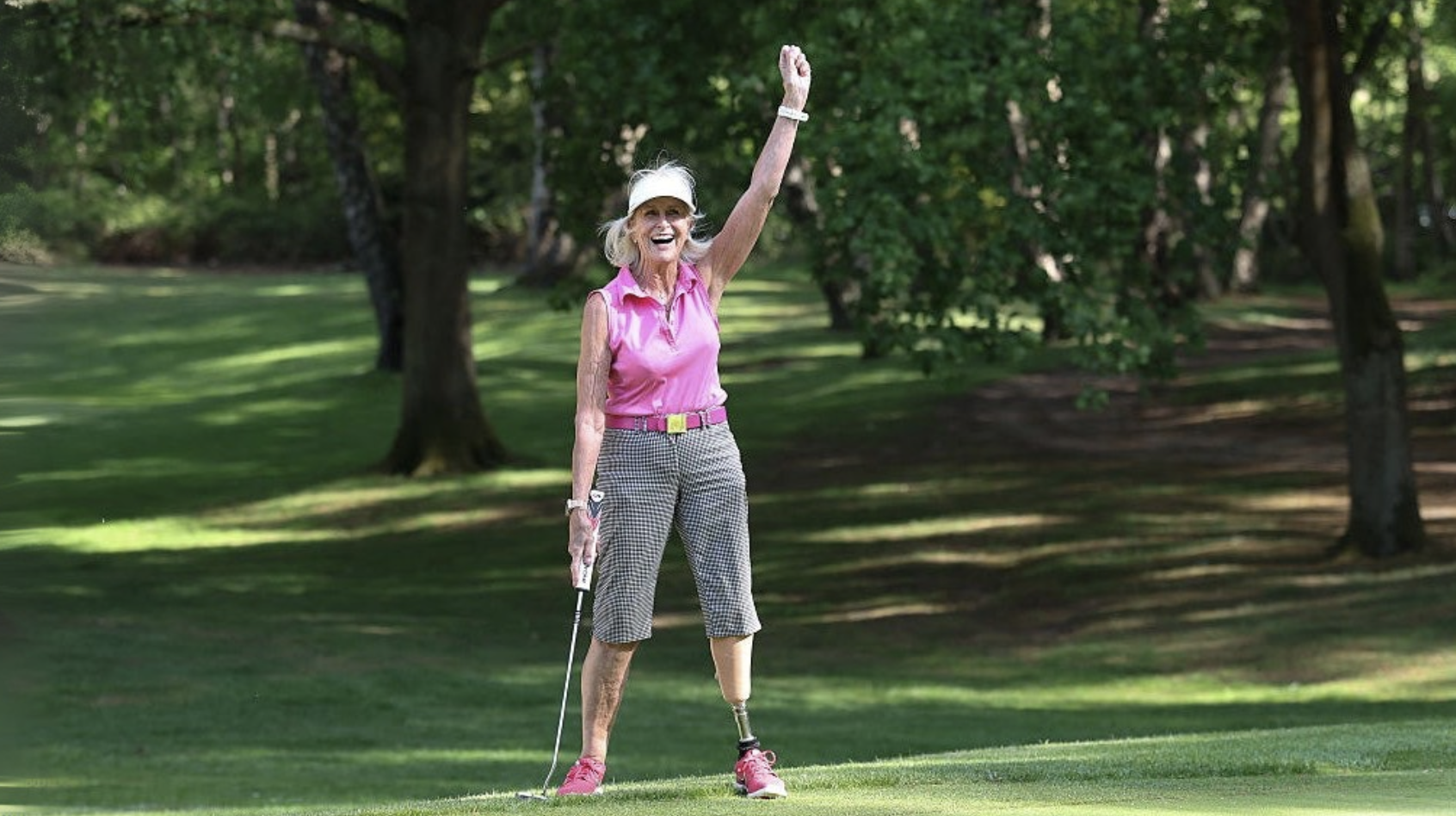
A Game for Life
Perhaps the most unique feature of golf is that it is a sport people can play throughout their lives. It can be adapted as circumstances change and allows players to remain active and connected with others for many years. This is a truly inter-generational game.
For many individuals involved in G4D, the game becomes far more than a sport. It becomes a community, a shared experience and a lifelong activity.